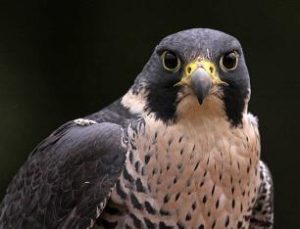
 With the establishment of the CFC in January 1992 and the advent of the new falconry policy, a key priority was to create a solid administrative framework. Membership was open to any adult with an interest in falconry, initially based on good faith, with no formal membership contract. This framework ensured that all club procedures and protocols adhered to both the new regulations and the CFC’s own constitution. CapeNature further defined the operational landscape by allocating an annual quota of specific raptor species that CFC members were permitted to utilize for falconry purposes.
 The inaugural meeting of the Cape Falconry Club (CFC) took place on 18 January 1992, at Ernie Carelse’s home in Hawequas. Attending the founding meeting were: Earnie Carelse, Peter Gernetsky, Edmund Oettle, Guy Palmer, Dirk Versveld, Thys Walters, Christo Lombard, and I. Dr. Oettle was elected the first CFC chairman, and Ernie Carelse the first secretary/treasurer. The early relationship between the CFC and CapeNature was strengthened by the presence of Mr. Guy Palmer from CapeNature at the first CFC AGM. He became the dedicated liaison, fostering a highly effective partnership. Mr. Palmer’s role as an intermediary proved invaluable in resolving any issues or navigating discussions between the club and the provincial conservation authority, which would later be greatly missed following his retirement.
 Membership was open to any adult interested in falconry, initially based on good faith with no formal membership contract. The CapeNature Falconry Policy (CNFP) of 1991, a concise eight-page document, reflected a partnership between Western Cape falconers and CapeNature for conservation efforts. It established a limit of 35 practicing falconers across all clubs in the Western Cape, a number subject to annual review.
 My own experience with sharing raptor nest information with bird scientists highlighted concerns about access and “ownership”. I shared a red-breasted sparrowhawk nest with a student, but my access was subsequently restricted as predicted by my friend, Brent Visser. This discouraged me from sharing further information.