 As conservatives accept that people are communal creatures who naturally want to become part of and contribute to something bigger than their individualistic selves, that people can do good especially when good people work together in the promotion of the common good but also that people are sinful by nature with the capacity to do evil, especially when they become disengaged from their communities and when they lose track of what is good, that people will always out perform each other depending on the activities they are engaged with. That some people will generally perform better while it is also true that no one can outperform everyone in everything since people have unique skillsets and interests and personalities that everything in the universe whether we are talking about human beings plants, animals and everything in between has a particular nature that people and things for that matter cannot be perfected.
 Yet, many species have shown remarkable resilience. Buildings offer nesting ledges mimicking cliffs, discarded food provides sustenance, and the “heat island” effect can offer a thermal advantage. For species that adapt, cities can become viable ecosystems. This very adaptability makes them fascinating subjects of study and crucial targets for localized conservation.
Parallel to the resilience of urban birds is the dedication of the urban community of birders. These are not necessarily professional ornithologists, but everyday citizens whose passion for their feathered neighbours drives them to observe, learn, and actively contribute to their well-being.
 Urban birders are the eyes and ears on the ground. They notice subtle shifts in populations, the arrival of new species, or the decline of regulars. This was evident in the Western Cape drought between 2017 and 2018. Urban Birders contribute a wealth of localized data that broad-scale surveys might miss.
 Garden habitat and bird feeders here become paramount. Urban birders often transform their balconies, patios, and gardens into mini-sanctuaries. Planting native, fruit-bearing, or nectar-rich flora, providing clean water sources, and offering shelter from predators create vital stepping-stones or refuges in an otherwise hostile environment. Collectively, these small patches can form a significant network of green infrastructure.
While bird feeders are sometimes debated, responsibly managed bird feeders can provide crucial supplemental food, especially during harsh weather or breeding seasons when energy demands are high. They can support local populations of smaller birds that might otherwise struggle, particularly in “food deserts” common in urban landscapes.
Passionate urban birders become informal educators within their communities, raising awareness about local birdlife, the importance of native planting, and responsible pet ownership. They can be powerful advocates for bird-friendly urban planning. For many city dwellers, interactions with birds at a feeder or in a garden are their primary, sometimes only, connection to wildlife. This fosters an appreciation for nature and can cultivate a broader conservation ethic.
 Despite these tangible contributions, there’s a perception, and often a reality, that the value generated by the urban birder community, particularly through initiatives like bird feeding and small-scale habitat creation, is not always fully recognized or integrated by larger conservation organizations, such as (in the South African context you mentioned) BirdLife South Africa, especially where it concerns domestic cats, the biggest invasive specie enjoying exemption when it comes to invasive species management and conservation.
While organizations like BirdLife SA do invaluable work on large-scale conservation projects, policy advocacy, and scientific research, their focus can sometimes prioritize “wild” spaces. Understandably, much effort goes into protecting pristine habitats and critically endangered species in more remote areas. Urban ecosystems, seen as “artificial” or “degraded,” may receive less attention or be viewed primarily through the lens of mitigating human-wildlife conflict rather than fostering biodiversity.
Some formal conservation circles express concerns about bird feeders potentially fostering dependency, spreading disease (if not maintained hygienically), or unnaturally favouring certain common or even invasive species over more sensitive native ones. While these are valid concerns that responsible feeders address, an overly cautious stance can overlook the net positive impact in many urban contexts, especially when combined with habitat creation.
The individual garden or bird feeder might seem insignificant. However, the cumulative effect of thousands of such efforts across a cityscape can create a substantial network of resources and refugia that is difficult to quantify through traditional ecological survey methods favoured by larger institutions.
Large organizations often have national or regional mandates and may lack the resources or infrastructure to deeply engage with and support myriad small-scale, community-led urban initiatives.
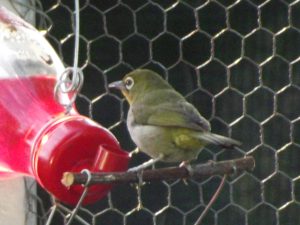 This isn’t to say there’s antagonism, but rather a potential disconnect where the significant, passionate, and often effective grassroots conservation work and education, happening in backyards and on balconies, isn’t fully leveraged or acknowledged as a key component of broader avian conservation strategy. The future of many bird species, especially in our increasingly urbanized world, will depend not only on large-scale conservation reserves/ conservancies but also on the stewardship enacted in the very places we live.
The passion of urban birders, expressed through their feeders, gardens, and watchful eyes, is a powerful, often undervalued force that deserves to be recognized, nurtured, and integrated into the core of avian conservation efforts. Our cities can be more than just human habitats; they can be shared spaces where both people, wildlife, and birds thrive.